What to Look for on a Useful Online Game Page
A practical guide to look on useful online game page, covering selection, device fit, common mistakes, and browser games to try.

Start with the real goal behind “What to Look for on a Useful Online Game Page”
The strongest choice is the one that fits the real session, not the one with the loudest promise. This guide focuses on moving from a broad search to a small, useful set of games that genuinely match the player’s device, time, and interests. That makes the topic more useful than a list built only from names or screenshots, because it connects each recommendation to a real reason for playing.
Begin by deciding how much time you have, which input method feels comfortable, and whether you want speed, planning, creativity, or competition. Those three choices narrow finding better online games into a manageable shortlist before the first game even loads.
Use selection criteria that can be checked
The most useful criteria are specific search intent, trustworthy page signals, clear category labels, useful related-game paths, and honest device information. These qualities can be evaluated during the opening minute of play, unlike vague promises that every title is the “best” for every person.
Try one representative option and pay attention to the first meaningful action. If the objective is understandable, the input responds predictably, and a restart does not create unnecessary waiting, the game is a reasonable candidate for another round.
Advertisement
Match the game to the device and session
Search rankings show popularity and relevance signals, but they do not guarantee that a particular game will fit every player or device. Check the individual game page for current controls and platform information rather than assuming that every title works the same way on desktop, Chromebook, tablet, and mobile.
For a short session, favor games with immediate goals and natural stopping points. For a longer session, choose a game where practice, planning, or gradual discovery creates value beyond a single score. Closing heavy background tabs can also make browser input and audio more consistent.
Build a varied shortlist instead of one long list
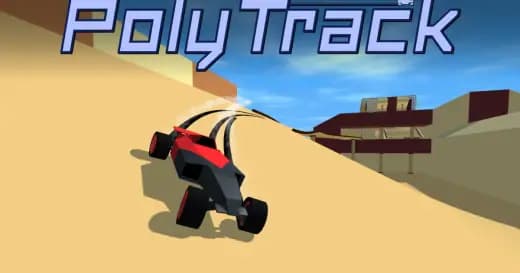
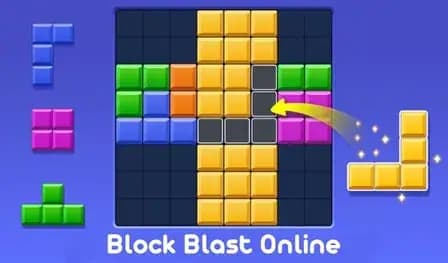
A useful starting group for this topic can include WorldGuessr, Gorilla Tag, PolyTrack, Block Blast. They are not interchangeable: use their pages to compare genre, controls, pace, and device support before deciding which one fits the current session.
Keep the shortlist varied. One fast game, one thoughtful game, one familiar option, and one new experiment give you better choices than ten nearly identical titles. Save only the games you would genuinely return to.
Avoid common mistakes and improve deliberately
Avoid keyword-stuffed pages that repeat promises without showing real games, controls, categories, or useful editorial guidance. Also avoid opening many copies of the same game at once, because background audio, memory use, and competing keyboard focus can make a working title appear broken.
Change one variable at a time so the result of each attempt remains understandable. After a few rounds, note which game felt clear, which one loaded reliably, and which one you would choose again without prompting. That small review keeps the shortlist useful as the catalog changes. The goal is not to turn a casual browser game into work. It is to make each attempt readable enough that improvement feels earned and the session remains enjoyable.
Quick Answers
How should I choose a game for look on useful online game page?
Match the game to your available time, device, preferred controls, and desired challenge. Test one round before building a longer shortlist.
Do these browser games need a separate download?
The related ZGames.io titles are selected for browser play without a separate desktop installer. Compatibility and third-party content can still vary by game.
What should I do if a game does not load correctly?
Refresh once, confirm the browser is current, close heavy tabs, review content-blocking extensions, and try another compatible title. Do not install unknown software to force a game to run.